Our Montessori Programs in Banjara Hills
Welcome to our Toddler Environment!
Our Toddler program at Amaya Montessori in Banjara Hills provides the ideal environment for your child’s early development. During this important stage, children aged 1.5 to 2.5 years old experience remarkable growth in communication, independence, physical skills, problem solving, and social interactions.
In the Toddler environment, children engage with Montessori activities designed to support their problem-solving skills and decision-making abilities, while also providing ample opportunities for physical movement. Toddler community also offers real tools and opportunities, enabling children to undertake meaningful tasks independently. This fosters their role as valuable contributors to their community and allows them to practice tasks repeatedly to achieve mastery, which builds confidence and self-esteem.


The free movement within the Toddler environment encourages social interaction among peers. Our Montessori guides foster a respectful atmosphere by treating children as adults in the making. The mixed age group plays a vital role, as older children set examples that inspire younger ones to try new skills. This approach cultivates a kind and harmonious environment.
We prioritize language development by consistently exposing toddlers to the specific vocabulary they need every day. Through engaging songs, read aloud books, and stories, your child will encounter rich vocabulary and grammar, enhancing their communication skills.
Welcome to Our Children’s House!
Our Primary Montessori classroom in Banjara Hills, Hyderabad, prepares children for a lifetime of learning and discovery. The primary environment is a thoughtfully prepared learning space for children of age 2.5 to 6 years, designed to promote exploration and self-directed learning. It features age-appropriate materials that encourage discovery and mastery of various skills. The environment is organized into distinct areas such as practical life, sensory development, mathematics, language, and culture, each offering opportunities for children to learn at their own pace. A trained Montessori teacher guides the children providing individualized support, while fostering a sense of responsibility, concentration, and respect for others and the environment.


The Primary environment features a dedicated area for “practical life” activities, where children engage in tasks such as washing tables, polishing, preparing food, and practicing skills with fasteners like zippers, buttons, buckles, and snaps.
Another section contains “sensorial materials” that enable young children to explore various sensations, including size, color, shape, texture, scent, and sound.
In the Language area, children are introduced to letters using “sandpaper letters,” allowing them to learn both the sound and shape of each letter by tracing it. As they advance, they can use these letters to “write” stories with the “movable alphabet,” even before they master holding a pencil. This process smoothly transitions into reading, and many Montessori children leave the Primary environment as proficient readers and writers.
For Mathematics, Primary aged children begin by developing a concrete understanding of the relationship between quantity and symbols with the numbers one to ten. They then progress to counting, learning the hierarchy of numbers in our decimal system up to thousands, and mastering the four basic operations.
Several materials also provide insights into the wider world. Puzzle maps are a popular resource that helps children learn the names and locations of countries globally. Additionally, collections of pictures and artifacts offer introductions to plants, animals, art, and various cultures from around the world.
By integrating sports into the Primary environment, Montessori programs aim to develop not only physical skills but also social, emotional, and cognitive growth in children. Some key aspects are movement, coordination, teamwork, collaboration, self discipline, respect, variety of activities, focus on fun and enjoyment, adaptability and connection to nature.
Welcome to Our Lower Elementary Program!
The Montessori Elementary environment is a dynamic learning community for children aged 6 to 12 years, where “why?” becomes the driving force of education. At this stage, children are natural researchers eager to understand how the world works. Our program responds with Cosmic Education—beginning with the Great Lessons that spark imagination about the universe, life, and human achievement. From there, children explore mathematics, language, geometry, and cultural studies through hands-on materials, collaborative projects, and independent research.


The Elementary environment features “Cosmic Education,” where children explore the interconnectedness of all things through the five Great Lessons—dramatic stories about the universe’s creation, the coming of life, early humans, the history of language, and the story of numbers. These lessons spark curiosity and provide context for all subsequent learning.
In the Mathematics area, children transition from concrete to abstract thinking using materials like the golden beads, stamp game, and checkerboard. They explore operations with large numbers, work with fractions and decimals, understand squaring and cubing, and develop strong problem-solving skills through real-world applications.
The Language section encompasses advanced grammar work where children analyze sentence structure using specialized materials, engage in creative writing, conduct research projects, and develop critical reading skills. Word study includes etymology, expanding vocabulary through Greek and Latin roots that connect to their cultural explorations.
For Geometry, children use metal insets, geometric solids, and construction materials to explore lines, angles, shapes, area, volume, and the Pythagorean theorem—making abstract concepts tangible through hands-on manipulation.
Cultural Studies integrate history, geography, and sciences. Children work with timelines spanning billions of years, conduct scientific experiments, classify living organisms, study world cultures and civilizations, and engage in “Going Out” experiences where small groups venture into the community for authentic research.
By incorporating collaborative work and purposeful movement into the Elementary environment, Montessori programs develop not only academic skills but also social responsibility, time management, and emotional maturity. Key aspects include independent research, collaborative projects, critical thinking, peer teaching, community contribution, outdoor exploration, physical challenges, and connection to real-world learning experiences.
After school care provides a safe and nurturing environment for children once their school day ends. Typically designed for children in primary through lower elementary school, these programs often include various activities that promote social interaction, creativity, and exploration. After school care can be an excellent way for children to unwind, explore new interests, and engage with peers in a supportive environment. Amaya Montessori is conveniently located in Green Valley, Road No.5, Banjara Hills, our after-school program serves families in and around Banjara Hills.
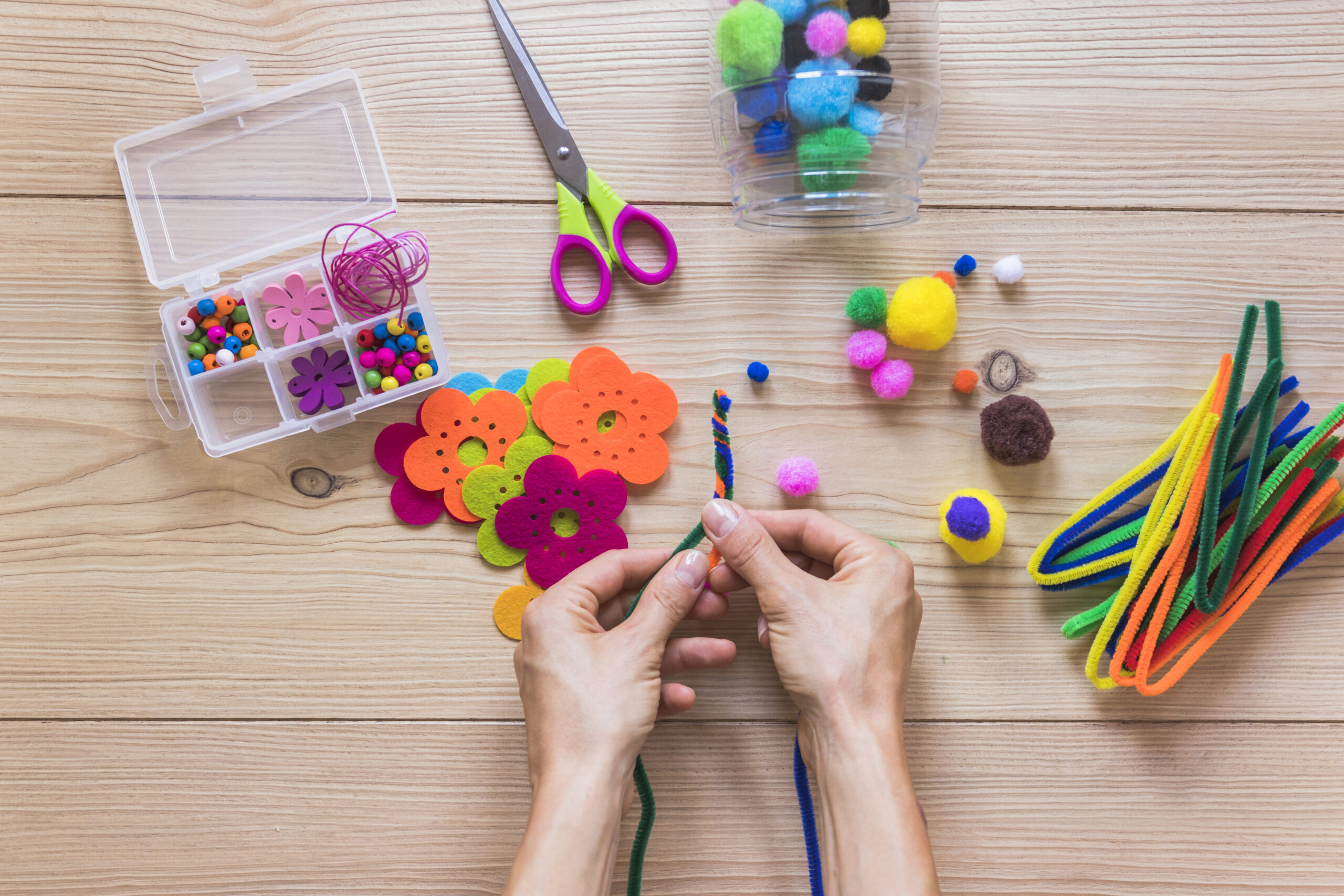

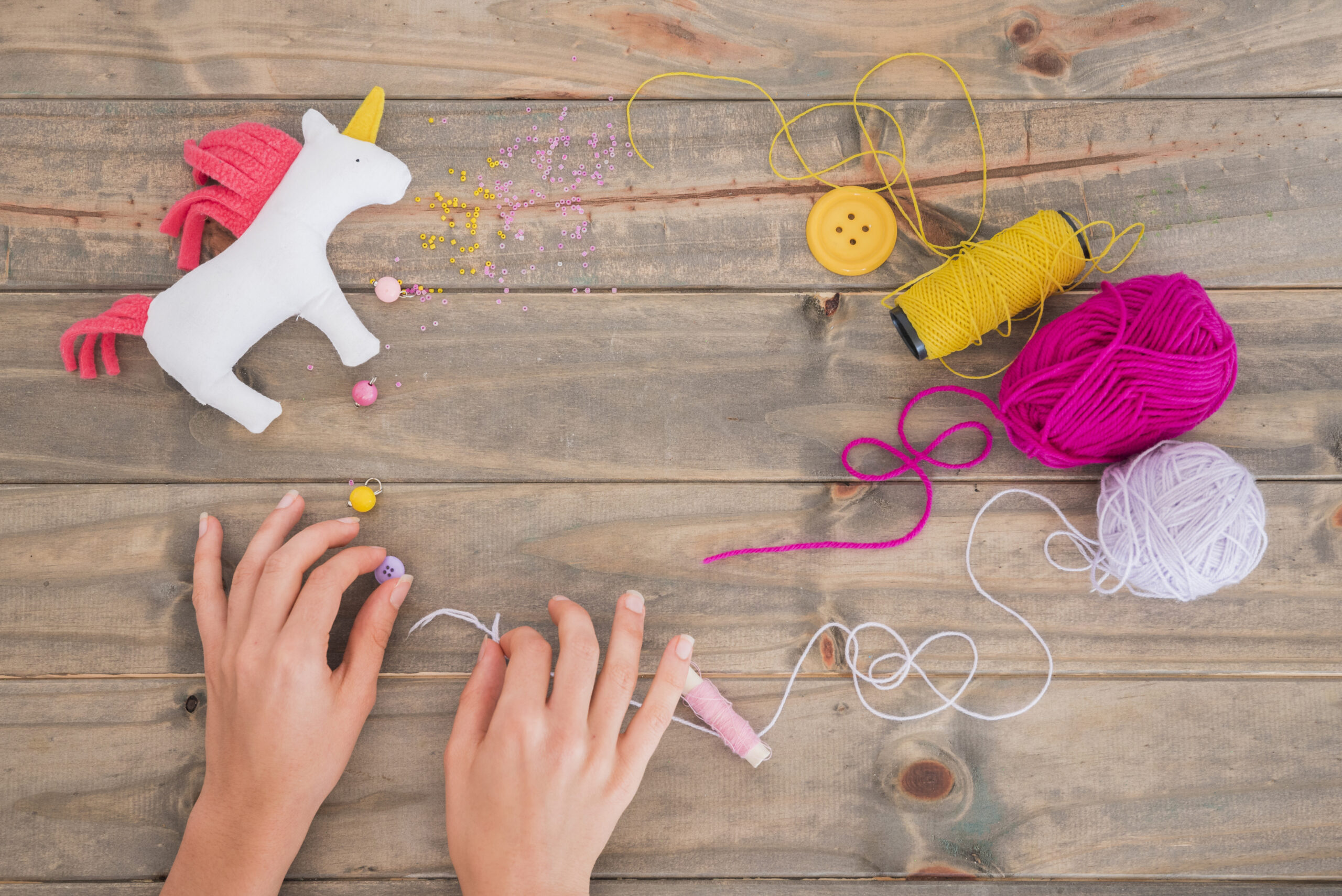
Key Features of After School Care-
- Supervision and Safety: Trained staff ensure that children are supervised in a secure setting, allowing parents peace of mind.
- Social Development: After school care encourages social interaction among peers, helping children build friendships and develop social skills.
- Flexible Scheduling: Many programs offer flexible hours to accommodate working parents, often running until early evening.
- Healthy Snacks: We provide healthy snacks or allow children to bring their own, promoting good eating habits.
- Focus on Development: Activities are placed for self work to enhance various skills, including communication, teamwork, and problem solving.